
Style
Top 3 Thrifting Tips From A (Self-Styled) Expert Thrifter
How do you thrift clothes you'll actually wear? About Your Clothes founder Rachel Gallagher shares her top three tips for buying better second-hand.
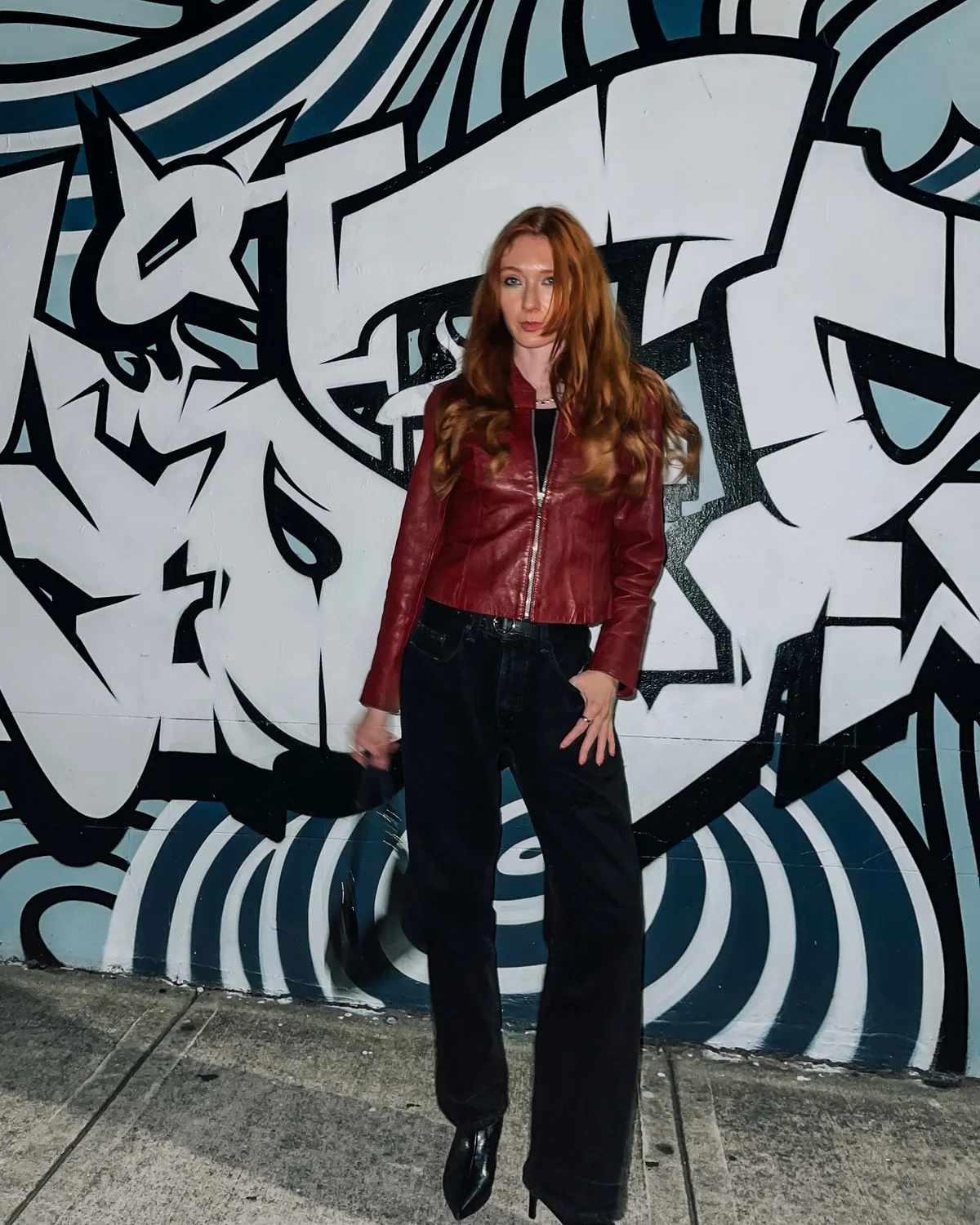
I’d like to think of myself as an expert thrifter. I would estimate about 80% of my wardrobe is thrifted. During the summer holidays when I was a kid, my grandmother would take me thrift shopping. This was long before it was cool. So, as a multi-generational thrift queen (thanks, Nanna) I like to think of myself as someone who knows how to spot a good buy when I see one, and I can help you thrift better, too.
Over the years, especially now that thrifting is pretty mainstream, I’ve nailed down 3 tips to help you thrift pieces that you’ll actually wear and love.
Only buy what you need
When I go thrifting, nine times out of ten, I’m in the shop to look for something specific. Buying clothes for the sake of buying them is still overconsuming, even if it’s thrifting. If you’re thrifting because you’re bored, you’re really just looking for something to do, not something to buy. Buying a new piece isn’t going to fill that boredom. Do you really need that ultra mini crop top that you can’t imagine wearing with anything else you own? Probably not. That’s why it’s important to limit the temptation and only buy what you need. Be honest with yourself.
Now, sometimes I’ll spot a great find. My partner found this amazing red leather jacket at UTurn. I knew I didn’t need it, but it was too good to pass up because it’s a red leather jacket. I’m a collector of leather jackets - I have a lot and I love and wear them all - so while I’ve fallen to the temptation (because I’m human, too), for the most part I only buy what I know I will wear and that I actually need.
Look for quality pieces
Thrifting can be a dicey game if you don’t know how to spot quality pieces. Always make sure you’re checking that you’re buying something that will last, that’s been well cared for before reaching you, and that will withstand regular wear. A beautiful vintage silk dress with heinous amounts of yellowing and questionable fabric integrity is a gorgeous idea, but probably not high up on the practicality scale. Some quick tips for checking quality:
- Check the seams and hems to make sure the stitching is strong and has no little gaps or loose strings.
- Test any zippers and make sure they don’t catch or snag and that the zipper teeth are aligned.
- Check the inside tag of a garment to see what it’s made of. While synthetic fabrics like polyester, nylon and acrylic are durable, they’re made from plastic which is made from oil, and can shed microplastics into water upon washing (gross).
Natural fibres are my go to, like cotton, wool, linen, and silk, or a blend of any of these. I prefer to choose natural fibres for comfort and durability, especially if they’re thrifted. Thrifting natural fibre garments means that we’re getting more wear out of something already made and aren’t using virgin resources when we buy. We extend the life of existing pieces and decrease the need for resource extraction to create new clothes. I count that as a win.
Make sure you understand your style
Thrifting can feel like a treasure hunt. You’ll likely find something you think is amazing, but it may not fit into your style identity. That’s when you put it back on the rack. It’s so important to be clear about your style and honest with yourself about what you’ll actually wear and how it fits into your real life, and not your fantasy wardrobe. Otherwise, you’ll end up with the dilemma of having lots of clothes but nothing to wear, which can impact your confidence, your lifestyle, and your wallet.
Because what’s the point of buying something amazing if it’s just going to sit in your wardrobe? Those amazing pieces are the ones we can admire on the hanger but leave for someone else to actually bring it to life by living in it. This is why I built the free 5 day Self-Styled course. It’s delivered straight to your inbox and addresses the exact problem of finding your style and learning to dress to it, without needing any expensive stylist consultations, and keeping that self-styling skill for the rest of your life. What’s not to love?
As a self-proclaimed expert thrifter, these are just some of the things I’ve learnt in my thrifting story so far. The most important thing? The joy of thrifting clothes isn’t found in the buying, it’s in the wearing and the living.
About the author

Rachel Gallagher
Rachel Gallagher is a Sydney-based fashion educator, writer, and lecturer with eight years of experience working inside the fashion industry. She founded About Your Clothes to give everyday shoppers the information they deserve, without jargon or guilt.