
Planet
What Are Microplastics in Fashion?
Microplastics are plastic fragments under 5mm, and synthetic clothing sheds them every wash. Here's how fashion became a major source, and why it matters.
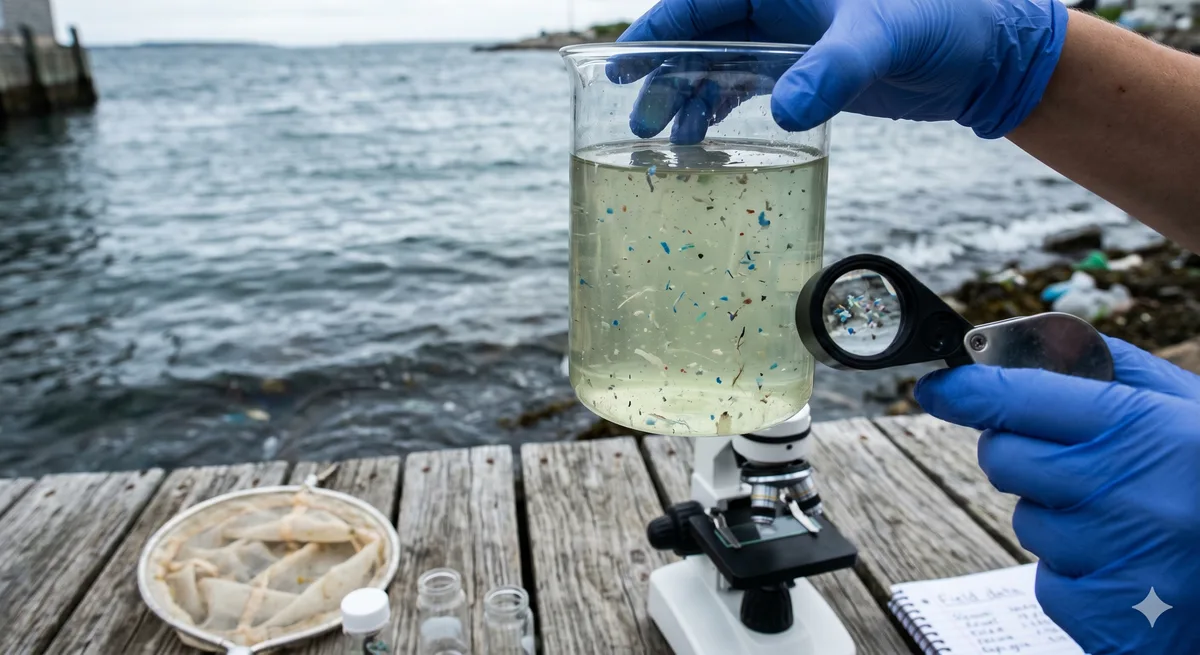
Fashion has a tiny but invasive problem. It’s a problem so small that we can’t even see it. Microplastics, which are plastics smaller than 5 millimetres, are taking over the world.
You might think tiny plastics are no big deal. What harm can a bit of plastic do? Well, microplastics are actually a real concern, and definitely one that you should know about.
Microplastics in fashion can come from tiny plastic particles that shed from our use of fabrics and objects made from plastic. Clothes with polyester, acrylic, nylon or other synthetic materials listed on their clothing tags are made from petrochemicals, a.k.a. plastic.

Around 60% of our clothes are made from plastic. And, in a time where a garment is worn only 7 times before being thrown away, with 100 to 150 billion garments produced per year, the problem of microplastics starts becoming a little clearer.
When we wash our synthetic clothes, they release their tiny little microplastics into the water. In a typical wash, up to 700,000 plastic fibres can shed from our clothes made from synthetic fibres. These microplastics have found their way into the food chain, in the stomachs of marine animals, and is now being found everywhere on earth. Microplastics have been detected near the peak of Mount Everest, in the depths of the Mariana Trench, and are even showing up in baby poop and human blood. They’re in our outdoor air, they’re found inside buildings, and even in the dust on the floor - 33% of floating dust in your home is made of plastic microfibres from textiles.
As much as we’ve discovered about microplastics, there are still things that we don’t know, particularly about the damage to humans from plastic pollution.
In October 2021, The SeaCleaners interviewed Britta Denise Hardesty, Principal Research Scientist at CSIRO Oceans and Atmosphere, and there was a lot to be said about our lack of knowledge on the long-term impacts of plastics:
“Despite everything we know about plastic pollution, there are still great unknowns. We know that plastic contains hormone mimics, endocrine disruptors. Work has shown that humans absorb plastic from the air we breathe, the food we eat and the water we drink. It’s really everywhere, all the time, and increasingly so. One of the big questions that arises, and it’s very difficult to study, because it’s impossible to study a population of humans who would not have been exposed to plastic, is, “What is the actual demonstrated impact of damage to humans from plastic pollution? What is the sublethal or even lethal impact of ingesting plastic or being exposed to it?” These are questions that research teams around the world are working to better understand.”
Now that you know all this, you might be wondering how we can stop contributing to microplastic pollution. There are a few things that we can do. Check the tags of the next clothes you buy. Opt for clothes made from natural fibres like cotton, linen, hemp and wool, which don’t shed microplastics when washed – extra points if they’re second-hand garments.
My prediction is that, as we begin to learn more about what microplastics are and their very real impacts on our bodies and our environment, we will be hearing more about these tiny plastic invaders sooner than we think.
About this content
This was written by Rachel Gallagher, founder of About Your Clothes.
Rachel is a fashion writer, editor and educator whose work explores the impacts of clothing on people and the planet.
This article is part of About Your Clothes’ editorial series on materials and textile production. It is intended as general educational content and does not replace health, legal, or scientific advice.
Source note
This article discusses microplastics in relation to clothing. Readers are encouraged to refer to current guidance from government health and environmental agencies, as microplastics research continues to develop.
About the author

Rachel Gallagher
Rachel Gallagher is a Sydney-based fashion educator, writer, and lecturer with eight years of experience working inside the fashion industry. She founded About Your Clothes to give everyday shoppers the information they deserve, without jargon or guilt.