
Opinion
Here’s why thrifting isn’t saving the planet
Why the booming secondhand and resale market doesn't solve fashion overconsumption, and what thrifting culture really signals about identity, waste, and shopping.
Thrifting is big business. Between physical stores and online reselling, it’s a pocket of fashion that’s ascended from visions of rolling around in bargain bins to become the industry’s next prized pig. Ripe and oinking with opportunity.
Thrifting and resale have actually gotten so huge that the media big-boys like Forbes have done articles on it, and major industry publications are telling brands to jump on the train or get left behind, while everyone else choo-choos their way to the bank. Fashion is *very much *aware that our unwanted clothes bring in the big bucks. They even publish reports on how much our unwanted clothes are worth.
ThredUp says that they expect the secondhand apparel market to reach $367 billion by 2029. In the same report, they also say it’ll grow 2.7 times faster than the overall apparel market worldwide. They’re probably not wrong. To say thrifting has had a glow up is probably an understatement of the century.
I’ve seen it first-hand. I live in a very thrift-heavy suburb in Sydney’s Inner West. It’s a place that’s long been home to the weird and wonderful creative set. The odd little crannies that thrift stores sprout up in are just happy symptoms of how creative people live their lives. We wear what we like and, when we’re done, we pass it on to the next. There are at least five thrift stores – four are charity shops, one is a newer franchise reseller – within a 20-minute walk of my house. Most of them are on the main street. This makes it an up-and-coming area for those in search of “cool” clothes, hence the franchise reseller that I mentioned earlier, which opened just over a year ago. The scale of thrifting is growing.
I was discussing the evolution of thrifting with an Uber driver recently. He was an ex-vintage store owner in Sydney. We agreed that thrifting is cool now, and that it’s shed the stigma to become its own thing. But he also said something that has stayed with me weeks later.
“There are two types of people who thrift. There are those who do it for necessity, and those who do it for identity.”
I looked down at my beaded 1980s sweater (with shoulder pads), and agreed I was in the latter.
He’s right, of course. Thrifting was once shameful because it meant that you couldn’t afford something new. It was an admission of struggle, of lack, and of need. Looking back even 10 years ago, if you told people that you bought an outfit secondhand, they would question your sanity and perhaps your hygiene. But now, it’s become cool and it makes money. Now, as fashion has become much more about signalling who you are through what you put on your body – instead of just functionality – thrifting has become an accessible way to signal who you are to others, an arguably more important endeavour than ever with the rise of social media. Thrifting began as necessity, but now it’s the doorway to democratic participation in fashion, where you can find something luxurious, well-made, and even designer if you’re lucky, for a fraction of the cost of buying new.
A lot of people thrift because the story that we tell ourselves about it is an altruistic one. If we buy secondhand, aren’t we saving the planet from wasted clothes that just end up in landfill? We’re saving the planet, this is good, thrifting is good, we are good.
But the slipperiest of slopes are lubricated with justifications.
The truth is that the thrifting and resale market is now fuelled by the same mechanism as the rest of the fashion industry, though just one or two steps removed. And, thrifting and resale are removed far enough that they (i.e., Capital “F” Fashion) are hoping we don’t pause to notice. The churn of the fashion industry is still the same – take-make-waste – but instead of landfill as the first option of disposal, resale is the pink pig that fashion is figuring out how to pluck from the muddy yard to fatten up for a packet of cash.
Thriftfluencers are feeding into this, too. Shein haul videos are taboo now – so thrifting is our next point of call. It works so well because the core of thrifting videos hit two related ideas at once: saving the planet through secondhand shopping and the identity politics of what we wear. Those two things just happen to neatly slot together. To say we thrifted something is to imply to others information about our character and values, and how we integrate those ideas with our own identity. In my opinion, Shein hauls are pretty mild in comparison to thriftfluencing. Who even knows what the inside of a thriftfluencer’s wardrobe looks like? What do they do with it all?
The real thing here is, you’re not saving the planet if you’re consuming thrifting the same way as you do fast fashion. Thrifting at its roots was always about necessity, and yes, later identity and what your clothes said about you. But if every weekend is a thrift trip, and we’re still overconsuming clothes we don’t need and may never wear, then we’re just assigning thrifting the middle man role in a much larger problem. Thrifting becomes the smoke screen for actually “doing something” about textile waste.
Shouldn’t thrifting be about breaking that cycle that fast fashion has indoctrinated us into? And the other, perhaps more difficult question to sit with is *do we even want to break it? *That’s a much harder conversation to interrogate. Because if clothing, and thrifting by extension, says so much about our identities and how we want to be experienced by others through what we wear, what happens when we remove the 1980s beaded sweaters with the cool shoulder pads? Who are we underneath?
Rachel Gallagher is a Sydney-based fashion writer and educator with 8 years of industry experience, and the founder of fashion education platform About Your Clothes. She writes about consumer behaviour, clothing culture, and the fashion industry for people who want to understand what they wear and why.
About the author
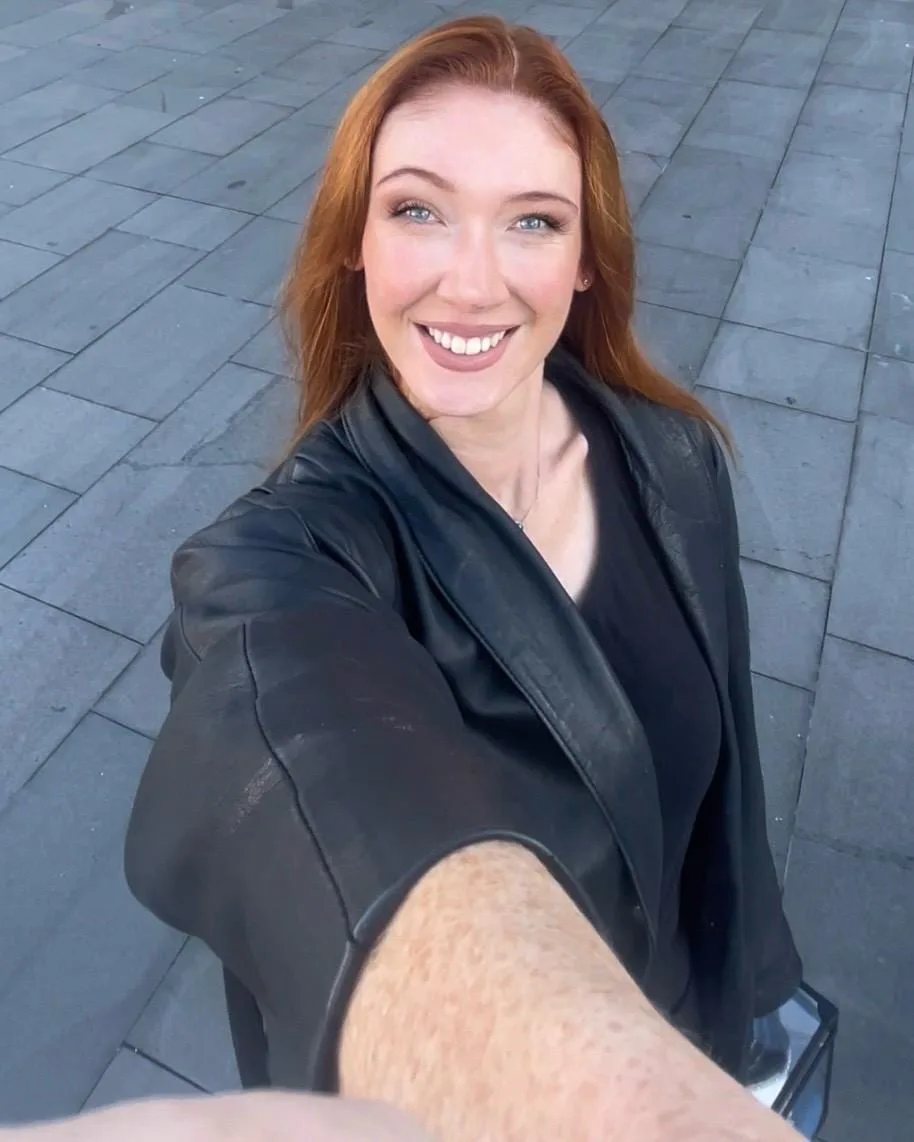
Rachel Gallagher
Rachel Gallagher is a Sydney-based fashion educator, writer, and lecturer with eight years of experience working inside the fashion industry. She founded About Your Clothes to give everyday shoppers the information they deserve, without jargon or guilt.